
- > WoW Forever Hall of Thanes Guide: Location, Bosses, Loot & Quests
- > WoW Forever Blacksmithing Leveling Guide 1-300: Fastest Skill Route & Materials
- > WoW Forever Tailoring Leveling Guide 1-300: Bags, Gold and Best Tips
- > WoW Forever Paladin Leveling Guide: Best Build, Talents & Tips
- > WoW Forever Engineering Leveling 1-300 Guide: Fast Recipes & Tips
- > WoW Forever Druid Leveling Guide: Best Feral Build, Talents & Rotation
WoW Forever Leatherworking Leveling Guide 1-300: Materials & Tips
Leatherworking has always been one of the more practical crafting professions in World of Warcraft, and WoW Forever keeps that identity while adding new reasons to invest in the profession. Instead of only making leveling gear, Leatherworkers can create Armor Kits, specialized equipment, profession-related items, and Camping upgrades.
The biggest challenge with WoW Forever Leatherworking leveling is not reaching a certain skill number. It is managing your materials correctly. Leather disappears quickly, and many players waste gold by crafting random items without planning the next stage. If you are trying to prepare materials or need extra currency for profession progression, you can also check options like SSEGold to buy WoW Forever gold and reduce the time spent farming.
This guide focuses on a practical Leatherworking route from 1 to 300 using current WoW Forever profession information. Since Forever is still evolving, some recipe values, material costs, and high-level economy details may change over time. The goal is to provide a reliable leveling path while explaining why certain crafts make sense at each stage.
WoW Forever Leatherworking Leveling Overview
Leveling Leatherworking in WoW Forever is mainly a question of resource management. The profession itself is familiar to Classic players, but the way you approach it is different because many materials have value beyond a single craft.
A common mistake is treating every leather piece as something to convert immediately into skill points. In reality, some hides, cured materials, and higher-tier leather become important later, so a player who plans ahead can avoid buying the same resources twice.
During the leveling process, Leatherworking gradually moves through several material tiers. Early recipes rely on Light Leather and simple Armor Kits, while later stages introduce Heavy Leather, Thick Leather, Rugged Leather, and specialization-related materials.
| Skill Range | Materials You Will Use | What to Focus On | Why It Matters |
|---|---|---|---|
| 1-75 | Light Leather, Ruined Leather Scraps, Coarse Thread | Basic leather crafts and early Armor Kits | Build your profession foundation without burning through materials you may need later. |
| 75-150 | Medium Leather, Medium Hide, Fine Thread | Cured hides, Medium Leather gear, useful upgrades | This is where material planning starts becoming important because hides begin appearing in more recipes. |
| 150-225 | Heavy Leather, Thick Leather, Heavy Hide | Armor Kits, stronger gear, preparation for advanced recipes | Costs increase, so choosing crafts based on efficiency becomes more important than simply following skill numbers. |
| 225-300 | Rugged Leather, Rugged Hide, scales, rare reagents | High-level gear, specialization crafts, premium upgrades | The final levels require more investment, and valuable materials should be saved for meaningful crafts. |
Preparing Materials Before Leveling Leatherworking
A common mistake with Leatherworking is buying everything at the beginning and crafting without checking the next skill bracket.
A better approach is to prepare materials in stages.
Early levels mainly require Light Leather, while later sections move into Medium, Heavy, Thick, and Rugged Leather. Hides are especially important because many useful recipes require cured versions rather than normal leather.
Before starting a large crafting session, check that you have enough:
Leather
Thread
Dyes
Salt
Other vendor materials
Small missing items can interrupt your progression and force you to buy materials at unfavorable prices.
If you prefer spending less time gathering materials yourself, you can also check SSEGold's WoW Forever Leatherworking leveling services for additional preparation options: WoW Forever Leatherworking Leveling Services
WoW Forever Leatherworking Leveling 1-75
The first part of Leatherworking is straightforward. Most recipes are inexpensive and use basic materials, making this section a good place to build your profession foundation.
Skill 1-30
Start with basic Light Leather recipes and leather conversions when necessary.
The purpose of this stage is not to create valuable gear. It is simply to move through the beginner skill range without wasting expensive materials.
Skill 30-45
Light Armor Kit becomes a useful early craft. Armor Kits are worth paying attention to because they continue to have value later in WoW Forever.
Skill 45-75
Embossed Leather Gloves and similar Light Leather recipes are commonly used during this range.
The main lesson here is patience. Do not overcraft just because a recipe is available. Keep enough Light Leather available for the next bracket instead of emptying your inventory too early.
WoW Forever Leatherworking Leveling 75-150
The 75-150 range introduces Medium Leather and more useful equipment recipes. This is where Leatherworking begins to feel like a real profession rather than simply a skill bar to fill.
A typical progression includes:
Cured Medium Hide
Medium Leather equipment
Hillman's Shoulders
Medium Armor Kit options
Current Leatherworking data includes recipes such as Hillman's Shoulders in this range, using Cured Medium Hide, Medium Leather, and Fine Thread.
This stage is also when you should start thinking about future material needs. Selling every hide you collect may seem profitable at first, but replacing those materials later can cost more.
Players who use Skinning alongside Leatherworking usually have a smoother experience because they naturally collect many of the materials needed while leveling.
WoW Forever Leatherworking Leveling 150-225
The middle section is where material management becomes more important.
Heavy Leather becomes the main resource, and you begin using more cured hides and higher-value components.
Common crafts during this range include:
Heavy Armor Kit
Barbaric Shoulders
Guardian Gloves
Thick Armor Kit
At this point, do not automatically choose the recipe with the lowest material cost. A cheaper recipe can become inefficient if it has a lower chance to provide skill points.
Yellow and green recipes do not always give skill points on every craft, so your final material cost may be slightly higher or lower than expected.
A practical Leatherworker checks the actual cost per skill point rather than simply following a fixed number.
WoW Forever Leatherworking Leveling 225-300
The final stretch requires more valuable materials, especially Rugged Leather.
This is where many players start spending too much gold because they rush toward 300. Instead of using expensive materials only for skill points, consider whether the crafted item has another purpose.
Important materials include:
Rugged Leather
Rugged Hide
Black Dye
Rune Thread
Specialization-related materials
The upper range often involves items such as Rugged Armor Kits and Wicked Leather recipes. These crafts can require more planning because the materials have alternative uses.
WoW Forever Leatherworking becomes less about simply reaching maximum skill and more about deciding which recipes are worth making.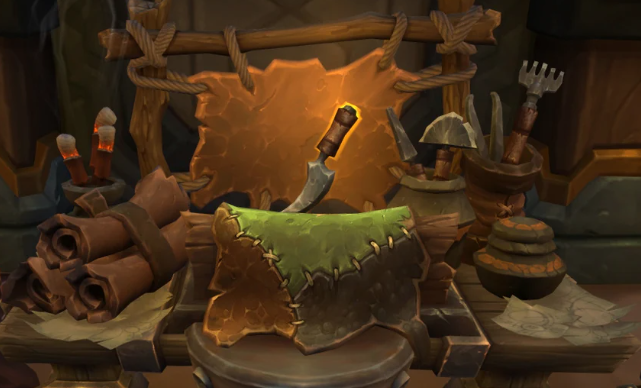
Making Gold with Leatherworking in WoW Forever
Leatherworking has several possible income sources, although the market will continue changing as the game develops.
Armor Kits
Armor Kits are one of the most consistent Leatherworking products because players regularly replace equipment while leveling.
Unlike a piece of armor that may sell once, upgrade items can have repeated demand.
Useful Gear
Good leveling gear can still find buyers, especially when players need upgrades before reaching higher-level content.
Specialization Items
Later recipes may attract players looking for specific equipment options.
However, avoid assuming every crafted item will automatically sell. Always compare material cost, Auction House prices, and actual player demand.
For players interested in keeping up with WoW Forever market changes, SSEGold also publishes related WoW Forever updates and guides: SSEGold WoW Forever News
Leatherworking and Skinning: The Classic Combination
Skinning remains the natural companion profession for Leatherworking.
The advantages are simple:
You collect materials while leveling.
You reduce dependence on Auction House prices.
You can sell extra leather when prices are high.
You avoid some of the biggest profession expenses.
That said, Skinning is not mandatory. A dedicated crafting character can buy materials and focus entirely on production.
WoW Forever Leatherworking Specializations
Current Leatherworking specialization paths include:
Dragonscale
Elemental
Tribal
These paths focus on different types of crafted equipment and materials.
Dragonscale is associated with specialized Mail recipes.
Elemental focuses on recipes using elemental materials.
Tribal provides specialized Leather equipment.
Because WoW Forever is still developing, it is too early to say that one specialization will always dominate the economy. Your choice should depend on your character, playstyle, and the type of items you want to craft.
Leatherworking Mistakes to Avoid
Many Leatherworking leveling problems come from poor resource decisions.
Avoid these common mistakes:
Buying old Classic guides without checking Forever changes.
Selling hides that you need later.
Converting leather without checking market value.
Crafting large numbers of inefficient recipes.
Using rare materials only for skill points.
Ignoring Armor Kits.
A good Leatherworker treats materials as resources with value, not just items sitting in the inventory.
WoW Forever Leatherworking FAQ
What is the maximum Leatherworking skill in WoW Forever?
Leatherworking currently follows the traditional 1-300 skill progression.
Should I level Skinning with Leatherworking?
Skinning is the most convenient pairing because it provides leather, hides, and scales while you level. However, it is not required if you have another way to obtain materials.
Is Leatherworking good for making gold?
Leatherworking can earn gold through Armor Kits, useful equipment, specialization crafts, and profession materials. However, profits depend on server economy and player demand.
Which Leatherworking specialization should I choose?
There is no confirmed universal choice while WoW Forever continues developing. Choose based on the gear you want to create and the market you want to serve.
Final Thoughts
WoW Forever Leatherworking leveling rewards players who plan ahead. The fastest way to 300 is not always the cheapest, and the cheapest recipe is not always the most efficient.
Keep valuable materials, avoid unnecessary crafts, watch recipe efficiency, and think about what you want your Leatherworker to become after reaching maximum skill.
Whether you are leveling a main character profession or building a crafting alt, a careful approach will save gold and leave you with more useful materials for the recipes that actually matter.
Table of contents
Buy WoW Forever Products
Recommended Article