
- > Best Ways To Get Gold In Ashes of Creation Early Access
- > Ashes of Creation Early Access Guide: Begin Your Journey in Vera
- > Dune Awakening: How to Respec and Unlock Skills Effectively
- > Dune: Awakening Prepares for Global Launch with Early Access and Pre-Load Details
- > Bless Early Access Release Date announced
- > FFXIV Tips: Stormblood Early Access
Stars Reach Early Access Launches: Raph Koster's Sandbox Sci-Fi MMO Goes Live
Stars Reach Early Access Launches: Raph Koster's Sandbox Sci-Fi MMO Goes Live
The sandbox MMO genre has a new flagship contender. On August 18, 2026, Stars Reach, the science-fantasy MMORPG from Playable Worlds, launched into paid Early Access on Steam. Led by Ultima Online lead designer and Star Wars Galaxies creative director Raph Koster, the game arrives as one of the most ambitious player-driven universes in years - a single-shard galaxy where every cubic meter can be terraformed, every ecosystem can collapse, and every settlement is built and governed by players themselves.
This guide breaks down everything you need to know about the Early Access launch, the three founder packs, the reactive planetary simulation, the classless profession system, the road to a free-to-play 1.0, and the launch realities that every prospective settler should understand before buying in. Whether you backed the Kickstarter on day one or just discovered the game this week, this is your complete roadmap to Stars Reach.
Part 1: What Is Stars Reach
1.1 A Galaxy Shaped by Players
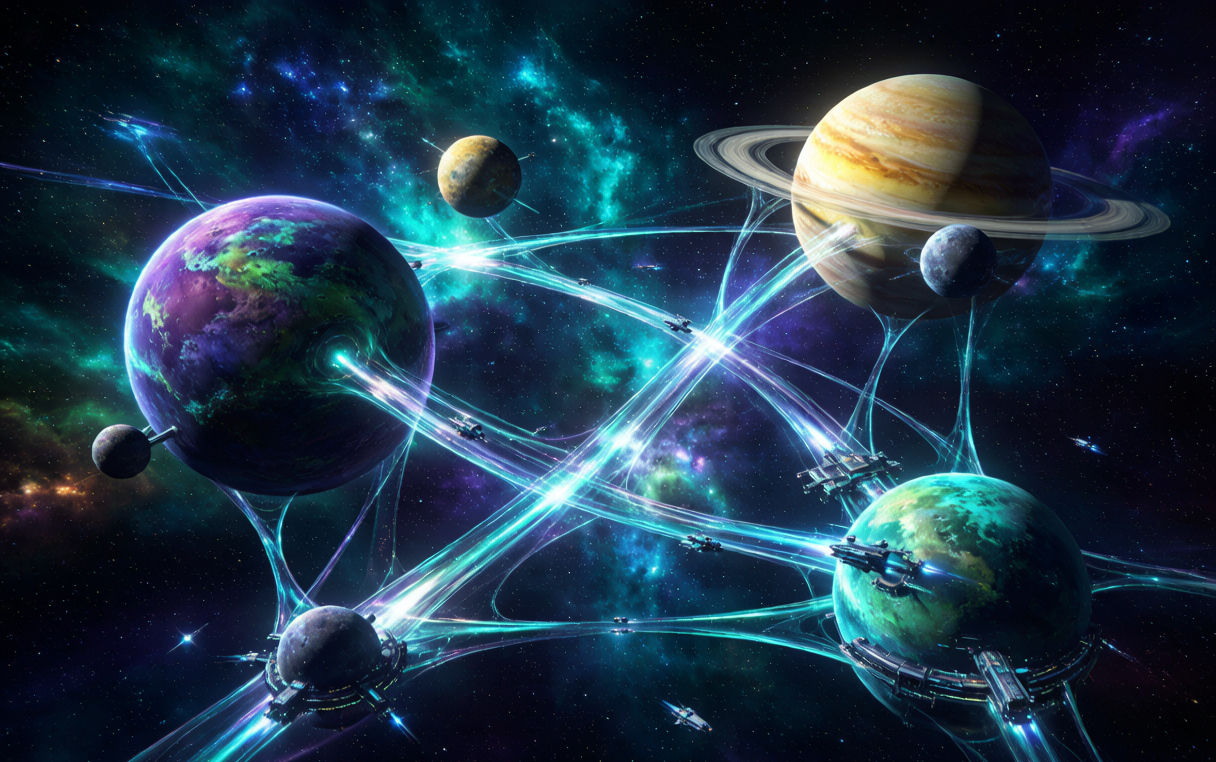
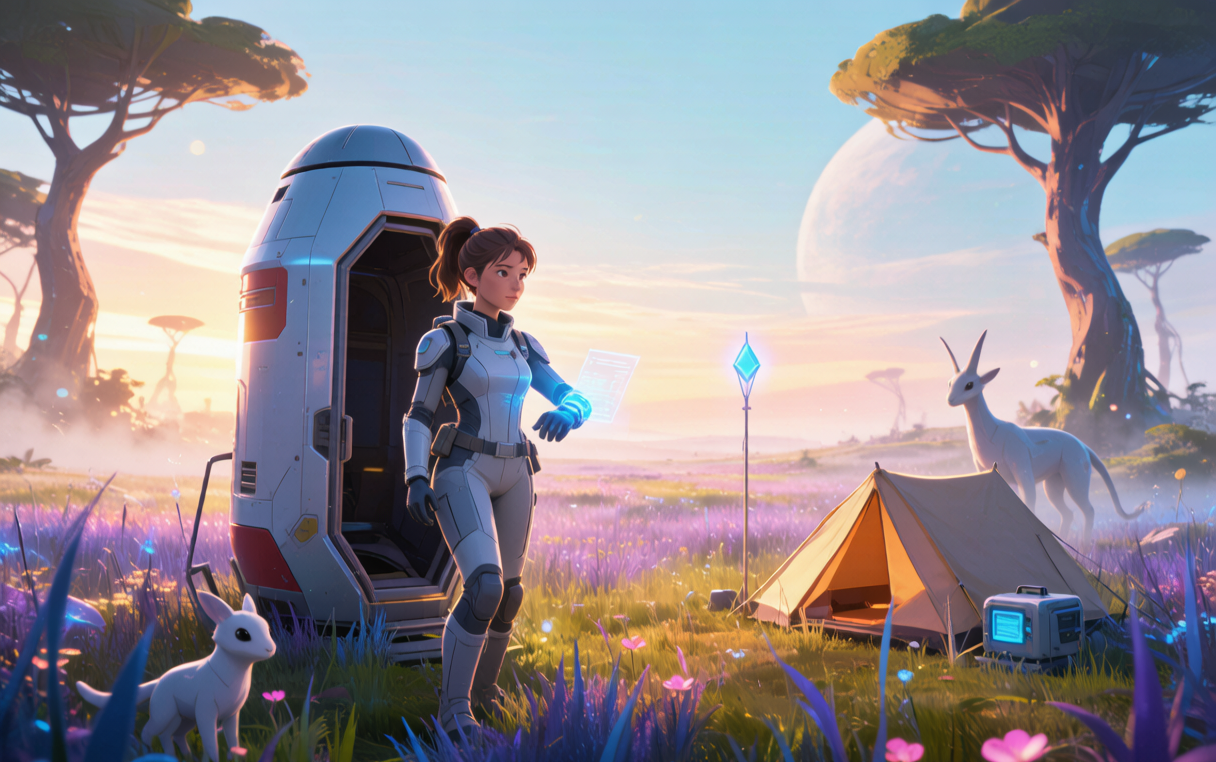
Stars Reach is a sandbox science-fantasy MMORPG built around a single promise: players leave a lasting mark on a galaxy. Powered by Playable Worlds' proprietary cloud-native technology, every asteroid, planet, and settlement exists in one persistent world that evolves through player actions. You can reshape mountains, reroute rivers, burn forests, and permanently transform ecosystems - and those changes stick for every other player who visits afterward.
Unlike conventional themepark MMOs built around scripted quest chains and vertical level grinds, Stars Reach looks back to the golden age of Ultima Online and Star Wars Galaxies, when MMOs were dynamic simulations driven by emergent player behavior. Raph Koster, the lead designer behind both of those genre-defining titles, has spent more than 30 years chasing this vision, and he says the technology has finally caught up with the design.
1.2 The Studio and the Kickstarter
Playable Worlds was founded in 2018 in San Marcos, California, by Raph Koster and co-founder Eric Goldberg. The studio combines deep MMO design expertise with cloud-native engineering and live service operations. Stars Reach is its flagship project.
The game turned heads in 2025 when its Kickstarter campaign reached its funding goal in under an hour and ultimately raised $816,922. That grassroots support signaled strong demand for a modern sandbox MMO, and it gave the team runway to push through a two-year closed alpha of near-continuous 24/7 playtesting before the Early Access launch.
1.3 A Single Shared Universe
All players share the same galaxy rather than being split across separate servers. You can travel from any planet to any other planet and meet anyone in the game. A unified, player-driven galactic economy ties every world together, letting resources and manufactured goods flow across the stars through trade. Planets are procedurally generated, with new worlds becoming discoverable and old, unclaimed ones being phased out on a regular basis - though players who claim a planet can protect it from being cycled away.
Part 2: Early Access Launch Details
2.1 Launch Date and Platform
Stars Reach entered paid Early Access on August 18, 2026, on PC via Steam. The launch build is described openly as an alpha - a broad foundation rather than a polished, content-complete product. Playable Worlds has been upfront that the project still faces a long road before it reaches a 1.0 free-to-play release.
2.2 Three Founder Packs
Stars Reach is available in three paid Early Access tiers, each offering increasing rewards and cosmetics:
- The Firstlight Pack costs $29.99 and includes the base game. This is the entry point and provides access to the core experience.
- The Voyager Pack costs $49.99 and adds extra cosmetics and early access to upgraded tools.
- The Cosmonaut Pack costs $79.99 and bundles the most rewards and cosmetic items for supporters who want to back the project at a higher tier.
The two higher tiers are positioned as supporter bundles rather than requirements for the core gameplay. The least expensive option is enough to play the game.
2.3 The Road to Free-to-Play
Playable Worlds plans to keep Stars Reach in Early Access for at least six months. The founder packs will eventually be retired, and the MMO is intended to transition to a free-to-play model when version 1.0 arrives. That means today's $29.99 entry price is a paid ticket into an unfinished project - buyers should expect systems to change, balance to shift, and content to expand throughout development.
Part 3: The Reactive Planetary Simulation

3.1 Worlds That Genuinely Feel Alive
The defining feature of Stars Reach is its reactive simulation. Every planet is a living system. Water flows naturally, forests can burn, and lava can harden into new materials and land masses. Climate changes, creatures migrate, disasters strike, and the world reacts in ways players cannot fully control. Trees grow from saplings, lakes freeze over, and caves can collapse naturally or by a player's hand, permanently blocking previously accessible areas.
3.2 Terraforming and Ecological Consequences
Players can carve rivers, melt stone into lava, harness ecological disasters, or burn entire planets to ash. The simulation extends to the ecosystem: wildlife can go extinct if its habitat is destroyed, and weather or environmental events can permanently alter geography. Even variables like soil pH, humidity, and fertility are simulated and matter for farming.
This means your decisions determine what resources are available, how wildlife reacts, and ultimately which settlements prosper. You can protect the environment and its inhabitants, or strip mine a planet for profit - and other players live with the results of what you leave behind.
3.3 Why Cloud-Native Matters
Making this level of persistence work with a large population acting on the same worlds is the project's largest technical challenge. Playable Worlds' cloud-native architecture is what makes a single-shard, fully reactive galaxy theoretically possible, because every persistent alteration must remain useful and readable when thousands of players are modifying the same planets at once.
Part 4: Professions and Classless Progression
4.1 No Classes, No Levels
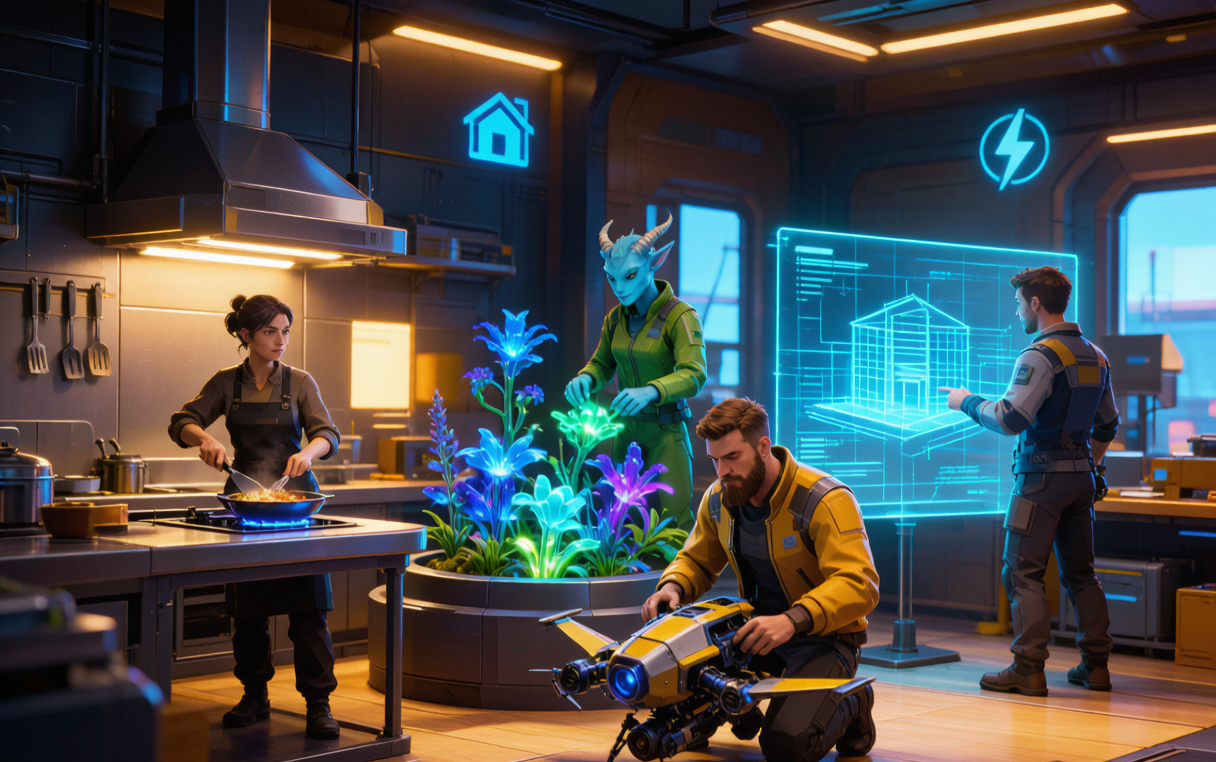
Stars Reach does not have classes, and it does not have levels in the traditional sense. Instead, players choose from a huge variety of professions. Crafting, social, farming, entertaining, and trading roles are first-class citizens, treated as equal to combat professions - not side activities that exist mostly as timesinks.
There are more than 40 professions planned. Combat-oriented options include the Medic, Combat Engineer, and Soldier. Gathering and crafting roles include the Cook, Botanist, and Animal Tamer. There are also unconventional careers like the Architect, who builds housing and structures, the Ranger, who creates waypoints, map markers, and camps, and the Journalist, who reports on daily events in the game world.
4.2 Mix, Match, and Respec
Players can represent multiple professions at once - reportedly up to four simultaneously - and can switch between them without losing progress. You are never locked into a single playstyle. You can experiment with different skill paths and find the combination that suits you best, then respec as often as roughly once a week. This horizontal progression model is closer to Guild Wars 2 than to a vertical gear-treadmill MMO.
4.3 Community Means Survival
Every skill path has accompanying equipment, and you gain proficiency by using those tools. More importantly, your contributions to the community level you up. A camp you build earns you experience when other players rest at it. Items you craft contribute to your experience pool when other players use them. Stars Reach is built to reward pro-social behavior and limit griefing, so independent hermits and collaborative city-builders both have a place.
Part 5: Settlements, Cities, and the Galactic Economy
5.1 Building a Civilization
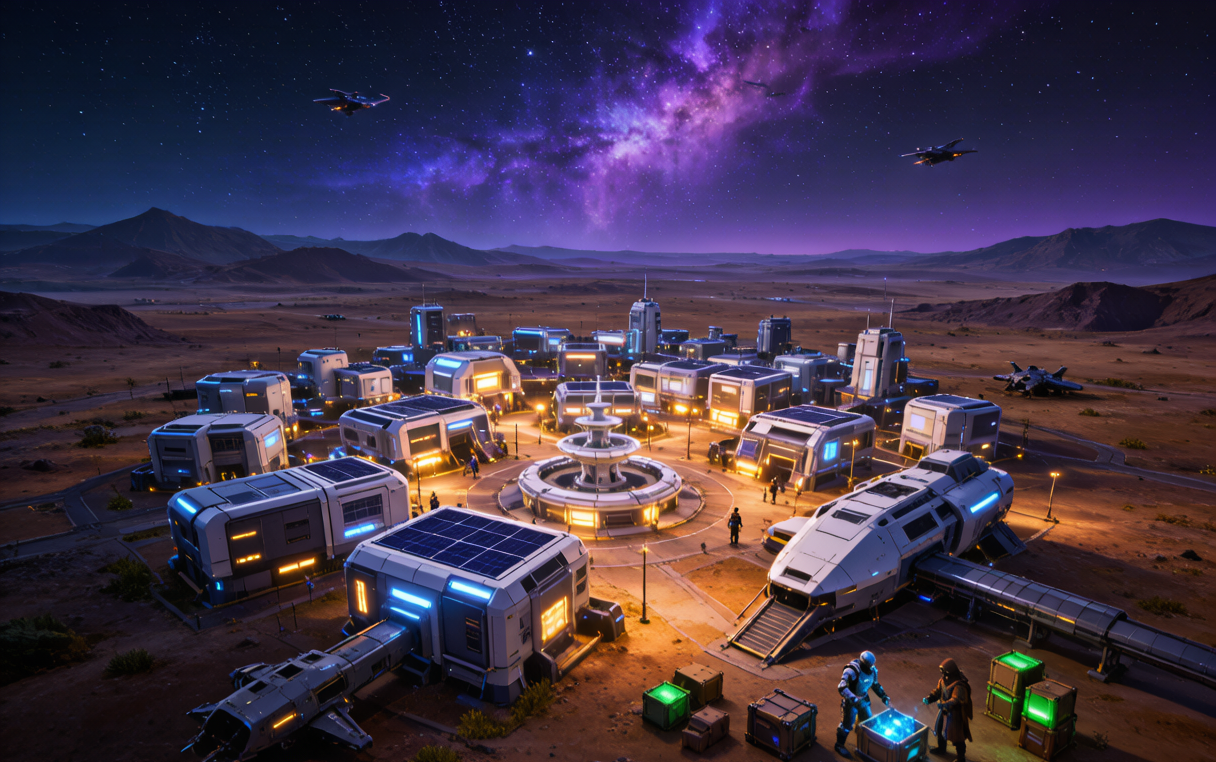
You can build a cozy cottage on a remote hill and carve out a living alone, but the game shines when players team up to build settlements and cities. You can claim a large plot of land as a functional guildhall that serves as a key element in how your guild leaves its mark on the galaxy. Cities grow or decline based on what players do, and players can shape how settlements grow and decide how they are governed.
5.2 A Unified Player-Driven Economy
The resources you gather can be sold in a unified galactic economy driven by players. Or you can use them to craft tools and technology to supply distant worlds with vital goods necessary for their survival. Trade with players across the galaxy, specialize in what you make, and become a master of your craft to earn renown. Because planets have regional markets and price differences, space truckers can profit from shipping large volumes of materials between worlds.
This kind of player-driven economy is exactly what makes sandbox MMOs tick - and it is also why reliable, fast marketplaces matter for the broader MMO ecosystem. While Stars Reach builds out its own in-galaxy trade, players who also enjoy other popular MMOs can get game currency and items from SSEGold for titles like World of Warcraft, Final Fantasy XIV, and Path of Exile 2, keeping their accounts stocked without the endless grind.
Part 6: Early Access Content and the Roadmap
6.1 What Is in the Launch Build
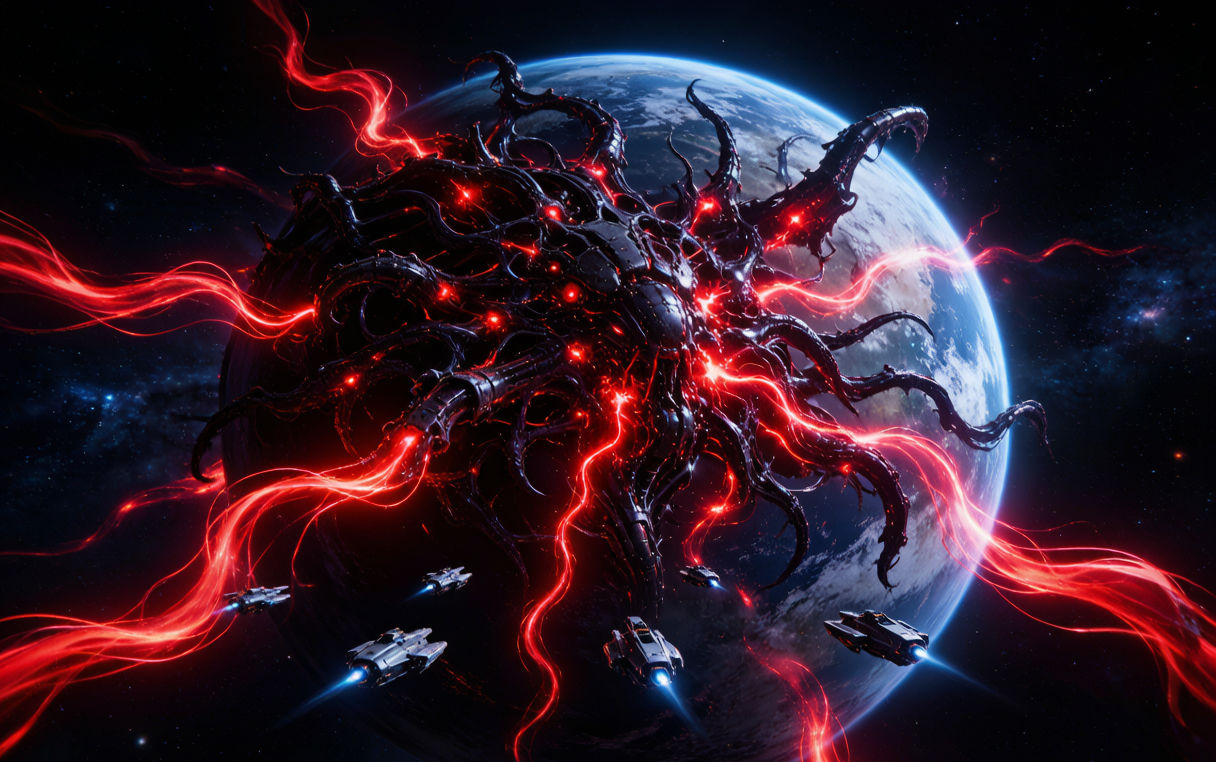
The Early Access version includes exploration across multiple planets, resource gathering and harvesting, combat, an in-depth crafting system, trading between players, and more. It introduces a unique cooperative threat: a planet-eating hive mind that players must work together to defend against. Spaceports and wormholes connect terrestrial and space-based activities, while the shared economy lets resources and manufactured goods move through the wider galaxy.
6.2 What Is Still Coming
Playable Worlds has outlined a clear roadmap of features still to come in future updates:
- Spaceships for travel and combat between worlds
- Additional species beyond the launch roster
- Expanded factions and NPC organizations to join
- Political structures for player-run governments
- PvP combat and faction warfare, targeted for the 1.0 release
Alongside these major additions, the team will continue refining the improved character creator, combat tuning, and the wildlife migration system that grows increasingly dangerous if left unchecked.
6.3 The Hive Mind Threat
The planet-eating hive mind is the marquee cooperative challenge of the Early Access period. Described as a galaxy-spanning entity capable of consuming entire planets, it forces players to band together to defend homesteads and settlements. It is a test of both the simulation systems and the community's ability to organize under pressure.
Part 7: Launch Realities and Community Reception
7.1 An Honest Alpha
It is important to set expectations clearly. Stars Reach launched as an openly unfinished alpha, and Playable Worlds never claimed otherwise. Raph Koster and the team repeatedly emphasized ahead of release that Early Access meant a raw, work-in-progress build. However, many players were still surprised by just how rough the game proved to be at launch.
7.2 Performance and Polish Concerns
The most common complaint at launch was performance. Even with settings turned down, the game stuttered for many players, including those whose machines run current AAA blockbusters at maximum detail. Reports of bugs, rough UI, repetitive early tasks, and unclear onboarding appeared across negative feedback. Some players noted they could not even see their own character model properly after hours of play due to bugs.
7.3 Steam Review Reception
The reception showed in the Steam review tally. Early on, Stars Reach sat at roughly 42 percent positive reviews with a peak of around 697 concurrent players on SteamDB. Kickstarter supporters voiced frustration on Reddit, with several arguing the game was not ready for paid Early Access and that the minimum quality bar for a paid launch had not been met. Others pushed back, noting the team had few alternatives and that the feedback was fair given the state of the build.
7.4 Why It Still Matters
Despite the rough start, the underlying vision remains compelling. Gaming publications have been cautiously optimistic. PC Gamer called Stars Reach "the second coming of the sandbox MMO," while MMORPG.com wrote that it "represents the dream MMOs have promised for decades." The reactive simulation, the classless profession system, and the player-governed galaxy are ideas the genre has been waiting on. The question is whether Playable Worlds can execute on that vision faster than the community's patience runs out.
Part 8: Player Guide - Getting Started in Early Access
8.1 Choosing Your Pack
If you want to test the simulation and help shape development, the $29.99 Firstlight Pack is enough. The Voyager and Cosmonaut packs are for supporters who want cosmetics and early upgraded tools, not for players who need a gameplay advantage. Buy in only if you are comfortable with a project that will change significantly before 1.0.
8.2 Picking Your First Professions
Start with survival-oriented and gathering roles. A Ranger can place waypoints and camps that help you and other players navigate, while a Botanist or Miner can begin feeding resources into the economy. Once you understand how resources flow, branch into a crafting profession like Cook or Architect to see how the community reward system works. Remember that you can hold several professions at once and respec without losing progress, so experiment freely.
8.3 Join or Build a Settlement
Solo play is possible, but Stars Reach is designed around community. Find a settlement or guild early. Contributing to a shared project - building structures, supplying crafted goods, defending against the hive mind - is the fastest way to level up, because the community reward system gives you experience when other players use what you build. A well-run settlement also gives you access to shared infrastructure and protection from hostile wildlife.
8.4 Engage With the Economy
The unified galactic economy is where sandbox players make their mark. Watch regional price differences between planets, specialize in high-demand goods, and use trade to fund your exploration. The same logic that powers Stars Reach's in-galaxy trade also applies to the wider MMO ecosystem: efficient players spend less time grinding and more time doing what they enjoy. For players who split time across multiple MMOs, SSEGold offers fast delivery of game currency and items for popular titles, so you can keep your main accounts funded while you explore the Stars Reach alpha.
Conclusion
Stars Reach is a bet on an old dream: a living, breathing online world that players shape together. The August 18 Early Access launch proves the technology and the design are real - the galaxy is single-shard, the planets are reactive, and the profession system is genuinely classless. But the launch also proves the project is early. Performance problems, rough onboarding, and a thin content layer mean Stars Reach is best approached as a long-term investment in a vision, not a finished game.
If you believe in the sandbox MMO ideal and can tolerate an alpha state, the Firstlight Pack is a reasonable ticket in. If you want a polished, content-complete experience, wait for the free-to-play 1.0 release down the road. Either way, the next six months of Early Access will determine whether Raph Koster's 30-year vision finally lands - or whether the galaxy burns to ash before it blooms.
For the latest game currency, items, and power leveling across other popular MMOs while you wait for Stars Reach to mature, SSEGold remains a trusted source with fast delivery and competitive prices.
Table of contents
Recommended Article