
Star Citizen Engineering: Everything You Need to Know About the New Ship Subsystems
If you’re gearing up in the ‘Verse and considering enhancing your experience — including boosting your ship’s capabilities via additional aUEC — keep reading. Whether you’re tackling solo missions or commanding a capital ship with a full crew, the new engineering update will change how you fly. (And if you don’t yet have the currency, you can boost your account via SSEGold for fast aUEC delivery and stay ahead of the game.)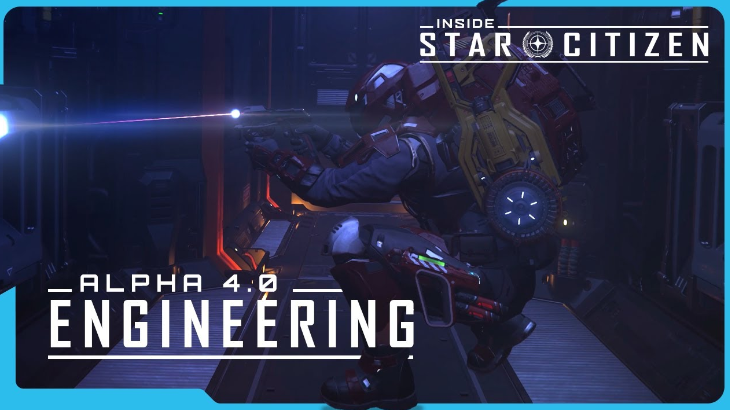
What is the Engineering Update?
The engineering feature in Star Citizen is designed to turn your ship from a static collection of systems into a living, interactive platform. The dev team at Cloud Imperium Games refers back to foundational component systems like power plants, avionics, thrusters, and cooling systems.
In practical terms:
-
Systems will degrade, overload, or fail under stress.
-
Engineers (players) will be able to monitor, reroute, repair or replace subsystems mid‑flight.
-
Multi‑crew ships will especially benefit from dedicated engineering roles, allowing stronger specialization and teamwork.
Why This Matters
Until now, many ship systems in Star Citizen have been largely passively simulated. With engineering 2.0 (or whatever the first version is called), power, heat, damage, redundancy and subsystem management will matter in new ways.
For example:
-
Overloading your power plant to push engines to maximum could raise heat and risk failure.
-
A damaged shield generator may force you to reroute power from other systems.
-
Engineers may be the difference between survival and destruction in fleet combat.
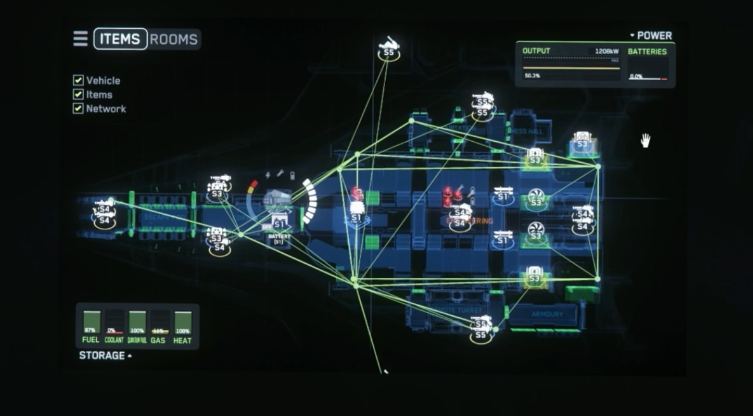
Key Mechanics to Watch
1. Subsystems & Components
Every ship has hardware: power plants, coolers, thrusters, quantum drives, shield generators, etc. The Star Citizen wiki lists dozens of component types and notes that they affect mass, signature, power consumption, heat and durability.
Correct component management means you’re not just upgrading for the biggest numbers, but balancing systems.
2. Power, Heat & Damage Control
From the 2013 ‘Engineering: Ship Components Systems’ article:
“Ship modification is a game of resource management where players will juggle … power consumption, heat load, signature, mass, CPU resources, durability.”
So expect engineering gameplay to revolve around these triads: power‑budget, heat‑dissipation, and component resilience.
3. Multi‑Crew & Engineering Roles
While smaller ships may require minimal engineering flexibility, capital ships (carriers, corvettes) will allow a dedicated engineer station. This means in a full crew scenario you might have: pilot, weapons officer(s), engineer, and support/repair roles.
In forums, players are excited:
“Engineering could become a good active alternative to piloting… Having grown up with workbenches… engineers are going to be so highly sought after.”
How To Prepare Now
Here are tips to get ready before the full feature drops:
-
Familiarize yourself with subsystem layouts of your ship. Knowing where power plants and shield generators are will help.
-
Upgrade components with future‑proofing in mind: better coolers, redundant systems, lower signature modules.
-
If you’re in a multi‑crew org, assign someone as engineer now: run drills and roles so when the update hits you’re ready.
-
Acquire aUEC early if you want to fast‑track refits or modules when they drop. And yes — you can safely purchase aUEC from SSEGold to give you the liquidity you need.
-
Keep an eye on dev‑roadmap channels: there’s talk of a “tech preview” of engineering in upcoming patches.
Potential Pitfalls & Challenges
No update of this scope is without risk:
-
Complexity could overwhelm solo players — good engineering loops must remain accessible.
-
Balancing subsystem failures so they’re interesting but not punishing will be tricky.
-
Older ships may require refits to fully support the new system. Many players in forums raised concerns about legacy ships.
Final Thoughts
The engineering update in Star Citizen promises to deepen immersion, reward teamwork, and open new strategic layers to space travel and combat. If you’re ready to get ahead, consider securing funds now — your best move is having aUEC ready for when new modules and upgrades land. SSEGold offers fast aUEC delivery so you can hit the ground running.
Once engineering launches, you’ll not just be a pilot: you’ll be a vital cog in the ship’s survival. Don’t wait — gear up, set your crew roles, and be ready.
Fly safe, citizen.