
- > Path of Exile: Bloodline Classes Explained — Keepers of the Flame Expansion Guide
- > POE 3.29 Delirium Mirror Farming Guide: Best Setup, Maps and Profit Strategy
- > PoE 3.29.3 Patch Notes Guide: Cursed Ducats, Essence Nerf and Changes Explained
- > Top 7 God Tier Builds to Retroll PoE 3.29 League Endgame
- > PoE 3.29.1 Patch Economy Guide: Mercenary & Abyss Buffs, Meta Shifts & Currency Farming Updates
- > PoE 3.29 Curse of the Allflame: Best League Starter Builds & Fast Currency Farming Guide
Economy & Trading in PoE 3.27: Asynchronous Trade, Crafting Currency & Market Trends

In every new PoE league, the economy resets. Players scramble not only to level and acquire gear, but to dominate the market: buying the right items early, crafting high-value pieces, and flipping goods for profit. With 3.27, speculation runs hot around asynchronous trade systems, new crafting mechanics, and emergent trends in item value.
In this article, we’ll explore:
-
What asynchronous trade could (or might) mean for PoE 3.27
-
Which crafting currencies and mechanics are shifting
-
Market trends shaping early league value
-
Strategies to flip, craft, and farm smart
Asynchronous Trade: What It Is & Whether It’s Coming to PoE 3.27
Definition & Appeal
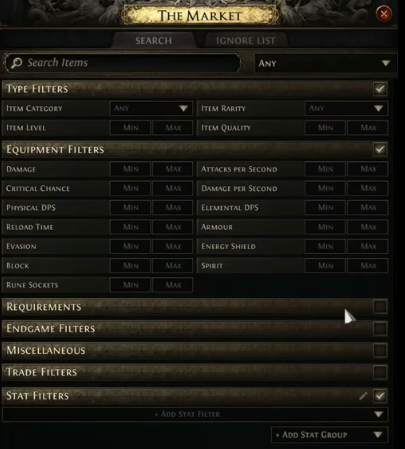
"Asynchronous trading" refers to a system where you can list items for sale without needing to be online to complete the transaction. The buyer can purchase at their convenience, and the system handles the exchange automatically. This removes the friction of coordinating trade windows or waiting for responses.
In PoE 2 (Patch 0.3), this system is already implemented: an NPC named Ange acts as a proxy. Players list items in “Merchant Tabs,” and buyers can purchase items even if the seller is offline. The earnings go to the seller’s “Earnings Tab,” for later collection.
Is Asynchronous Trade in PoE 3.27?
As of now, the system is not yet active in PoE 1 or in 3.27. The asynchronous trade is confirmed for PoE 2, and GGG has indicated it is not immediately available for PoE 1.
However, many players and analysts expect it’s coming, or at least heavily hinted, for PoE 3.27. Some league previews forecast that async trading could allow faster liquidation of "shard‑scale" drops and speed up your currency loop.
Reddit players are already discussing it:
“Async trade is the best thing ever added in PoE history … easier to buy up the entire market for an item with low supply and demand a higher price for the resale.”
“I want trading to be asynchronous … let economy stabilize itself based on worth rather than pure annoyance.”
So while asynchronous trade isn't confirmed for PoE 3.27 yet, the demand, expectation, and groundwork are strong.
Implications if It Arrives
-
Instantly sell lower‑tier and mid‑tier items without coordination
-
Price spreads compress; margins on common items shrink
-
Flipping volume becomes more competitive
-
Legacy (manual) trade remains meaningful for high-end, bespoke deals
In other words: asynchronous trade will probably heighten liquidity and turn fast turnover into a competitive edge.
Crafting Currency & Shifting Mechanics
While trade mechanisms dominate speculation, crafting and currency systems are also evolving for 3.27. Here are key trends:
1. Shard / “Shard‑scale” Drops as Mini‑Currency
League previews mention using async to “instantly liquidate shard‑scale drops” to feed your build progression.
That suggests that small drops or fragments (shards) might act almost like micro‑currency, especially early league when bulk accumulation matters more than one big unique.
2. Traditional Orbs / Base Currency Still Vital
Chaos, Divine, Exalted, etc., remain the backbone of the marketplace. Their relative scarcity or abundance will influence everything from leveling gear to late-game crafting.
Some early farming guides warn that raw loot yield is nerfed compared to past leagues, so efficient use of orbs is more important than ever.
3. Crafting Items & Materials
Meta crafting materials (catalysts, essences, benchcraft components, mutation materials) usually spike early, and 3.27 is no exception. Players will snap up crafting mats even before their own builds mature.
A key bet: if Grafts or the Genesis Tree introduce new crafting/reward currencies, those “new” mats will be hot early.
Market Trends & Shifts in PoE 3.27
Understanding how players think and trade in early hours is crucial. Here’s what to watch:
A. Staple Items Spike Early
The first few hours see demand for leveling staples — life rings, resist boots, base weapons, certain support gems. If you can acquire or supply these early, flipping them is profitable.
B. Map Mods & Atlas Items
Maps, atlas modifiers, and mid-tier map drops tend to be heavily traded in the first two days. Some players hoard maps or modifiers expecting price rises.
C. Liquidity & Time Advantage Matter
If asynchronous trade becomes functional, listing first gives you advantage. Fast sales, even at thinner margins, may outperform holding items.
Some previews suggest that using async to liquidate quickly can fund 4–5 links in two days.
D. Margin Compression on Bulk Items
When volume trade becomes easier, common items’ price spreads will tighten. This means flipping ordinary gear is harder; uniqueness or specialization gives the edge.
E. Speculation & Overreaction
Early market swings are often irrational. Watch for announcements, streamer drops, or patch tooltips causing sudden value changes.
Strategies: Flipping, Crafting & Farming Wisely
Here are tactics you can use to stay ahead:
1. Monitor Price Tools & Markets
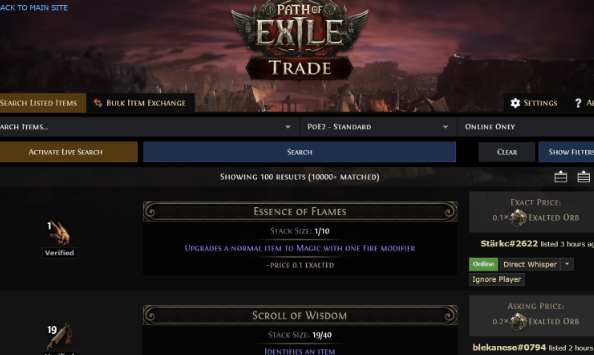
Use trade websites (e.g. Path of Trade), Discord price bots, or community tools. Observe baseline prices for staples, from day one.
2. Early Flip Strategy
-
Snatch undervalued leveling staples (rings, boots, resist gear)
-
Buy crafting materials that are expected to surge
-
List quickly, especially if async becomes active
3. Craft High‑Value Goods
If new mechanics let you mutate or craft unique items (via Grafts or special currencies), aim to create items that have strong market demand. Rarely crafted goods often command high margins.
4. Efficient Farming
Focus on mechanics that still yield high returns: strongboxes, monster affix mod maps, high‑yield breaches or content. Supply matters more than occasional unique drops.
5. Use Dual Trade Modes (When Available)
If asynchronous and legacy trade work in parallel, keep high-end items in manual trade and offload mid-tier goods via async. Previews suggest this hybrid model is likely.
Sample Early Market Moves (Hypothetical)
-
Buy a stack of cheap resist boots in hour 1 → relist them after prices normalize
-
Acquire a new crafting mat leaked to synergize with Grafts; create early versions
-
Keep some currency reserved to snipe underpriced items listed via async
-
List items you won’t use (low upgrades) to bolster cash flow

Conclusion
The PoE 3.27 economy may be shaped not just by builds and maps—but by trade systems and crafting evolution. Whether asynchronous trade arrives or not, the talk and early signals are already influencing market behavior. Smart players will leverage speculation, rapid listing, strong crafting, and good farming habits to stay ahead.
Table of contents
Buy Path of Exile Products
Recommended Article