
- > Blue Protocol: Star Resonance Currency Guide — How to Earn and Use Efficiently
- > How to Unlock Float and Phantom Dash in Blue Protocol: Star Resonance
- > How Gacha Works in Blue Protocol: Star Resonance — Reroll, SSR Drop Rates, and Strategy
- > Beginner’s Guide to Blue Protocol: Star Resonance
- > Blue Protocol: Star Resonance — Everything You Need to Know Before Launch
- > Blue Protocol Classes Guide - What Class is Best for You?
All Playable Classes in Blue Protocol: Star Resonance Explain
Choosing the right class in Blue Protocol: Star Resonance can make a big difference in your early experience—and how competitive you are down the road. Below is a guide to each class: their role in teams, combat style, beginner‐friendly tips, long-term scaling, and how they stack up.
What You Need to Know: Class Roles & Overview
As of launch, there are 8 classes in Star Resonance, split into general roles: DPS, Tank, and Healer/Support.
Each class also usually has two specs (sub-styles) that change how you play—how mobile you are, how much burst vs sustained damage you deal, how much defense or healing you provide, etc.
Here are the classes:
| Class | Role | Specs / Key Attributes |
|---|---|---|
| Stormblade | DPS | Specs: Iaido Slash / Moonstrike. Longblade melee with charged strikes and high burst. |
| Wind Knight | DPS | Specs: Vanguard / Skyward. Uses a Lance; combines mobility and area attacks, aerial moves in Skyward. |
| Frost Mage | DPS | Specs: Icicle / Frostbeam. Wields a frost staff, strong at range, control, AoE damage. |
| Marksman | DPS | Specs: Wildpack / Falconry. Bow user; pet or companion mechanics in some specs; strong ranged damage. |
| Heavy Guardian | Tank | Specs: Earthfort / Block. High survivability, damage mitigation, control, shield usage. |
| Shield Knight | Tank | Specs: Recovery / Shield. More defensive; good self-heal or mitigation; workhorse in frontline defense. |
| Verdant Oracle | Healer / Support | Specs: Smite / Lifebind. Nature rings, healing over time, shields, party buffs. “Pure healers” in many groups. |
| Beat Performer | Healer / Support Hybrid | Specs: Dissonance / Concerto. Wields a guitar; mixes healing, buffs, some damage; strong utility. |
Basic Stats / What to Expect
-
Attributes: Each class leans on a primary attribute—Strength, Agility, or Intellect—which influences damage, defense, or healing scaling.
-
Gear & Spec Growth: Early on, your weapon, gear score, and spec-exclusive items matter a lot. Specs unlock progressively; stronger stats and gear help unlock the higher tiers of performance.
-
Combat Mechanics: Most classes have regular skills, tactical skills, and an ultimate. The way you build your cooldowns and positioning often distinguishes a decent player from a great one.
Combat Style & Role in Teams
| Role | What They Do in Group Content | Key Strengths / Weaknesses |
|---|---|---|
| DPS (Stormblade, Wind Knight, Frost Mage, Marksman) | Main damage dealers. Responsible for bringing down enemies, triggering mechanics that require high burst or high sustained damage. | Strengths: high damage output, often flashy playstyles. Weaknesses: lower durability, rely on good positioning, cooldown management. |
| Tanks (Heavy Guardian, Shield Knight) | Absorb hits, protect the backline, control aggro, enable DPS and Healer to do their job. | Strengths: durability, group safety, mitigation. Weaknesses: sometimes slow movement or weaker solo-damage; cooldowns and sustain are key. |
| Healer / Support (Verdant Oracle, Beat Performer) | Heal allies, support with buffs or shielding, sometimes hybrid damage. Essential in tougher group content or raid-type encounters. | Strengths: team survival, utility, sustained support. Weaknesses: can be less exciting solo, might depend heavily on teammates making use of buffs; resource or positioning demands. |
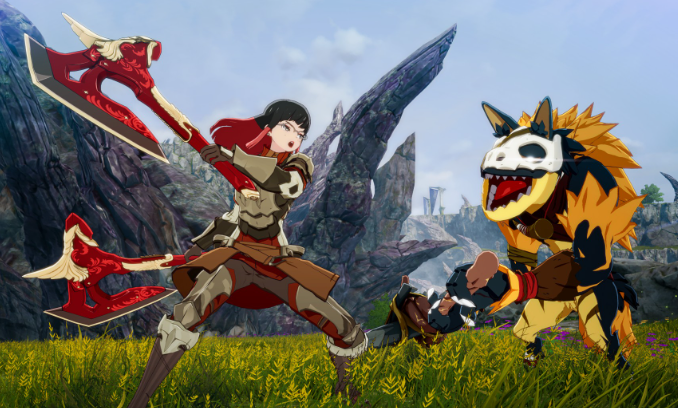
Early Game Recommendations for Beginners
If you're just starting, here are some tips to choose and play optimally:
-
Pick what feels fun first, then optimize. Because specs are fairly balanced, it’s more enjoyable to start with a class you like than what seems “meta.”
-
Begin with easier specs:
-
For beginners, Marksman with Wildpack spec tends to be more forgiving—lower mechanical demands, more forgiving positioning.
-
Verdant Oracle Lifebind spec is relatively easier as a healer due to simpler playstyle and strong sustain.
-
-
Practice resource management and positioning: A DPS that misses big attacks or uses cooldowns poorly might do worse than a player who focuses on timing. Tanks need to manage when to block or absorb; healers need to anticipate damage.
-
Don’t spread resources too thin: Focusing on one class and spec early helps you level faster and build better gear. Switching around too often can leave you underpowered.
Long-Term Class Synergy & Skill Scaling
To stay effective as the game progresses, here’s how classes scale and what makes some specs shine later.
-
Burst vs Sustained Damage: DPS classes like Stormblade often get big spikes in power with certain abilities or gear, which are crucial in high-end content. Frost Mage & Marksman spec upgrades help with AoE or ranged pressure.
-
Utility and Buffs: Classes that bring utility (buffs, crowd control, shields) often become more valuable in raid or group content even if their raw damage lags behind. Beat Performer and Verdant Oracle are good examples.
-
Gear Breakpoints & Attribute Scaling: As you get higher tier gear, certain specs unlock new bonuses (crit rate, damage multipliers, block values). Specs that share similar attributes with multiple classes (say, Strength or Intellect) may allow more flexibility if you decide to multi-spec or change mains.
-
Role Demand: Tanks and Healers tend to be in constant demand. If you choose such a role and perform well, you might get more group invites or shorter queue times. DPS roles are more plentiful but also more competitive.
-
Skill Trees & Tactical Abilities: Learning the best passive boosts, tactical abilities, or unique resources (like those used by Beat Performer) becomes more important in endgame. Timing these and using them in synergy with party is what separates top-tier players.
Best Classes & Tier List (At Launch)
Based on what’s known so far (difficulty, utility, group viability, burst vs sustain), here’s a rough tier list for Star Resonance at or near launch:
| Tier | Classes |
|---|---|
| S-Tier | Stormblade, Beat Performer |
| A-Tier | Heavy Guardian, Verdant Oracle, Wind Knight |
| B-Tier | Shield Knight, Frost Mage |
| C-Tier | Marksman |
Why this ranking:
-
Stormblade has very high burst damage and is rewarding for skilled players.
-
Beat Performer offers strong utility + healing, making it valuable in many group settings.
-
Heavy Guardian and Verdant Oracle are strong in their respective roles (tank and healer/support).
-
Wind Knight is good, especially in lower group content or solo, with strong mobility.
-
Shield Knight & Frost Mage sometimes struggle with mobility or require precise positioning.
-
Marksman is great for ranged offense, solo content, and newcomers, but less dominant in top-level group content where more burst or utility is needed.
Final Thoughts
If you're new to Blue Protocol: Star Resonance, my advice is: for long-term rewards, pick a class that offers some flexibility or utility (tank or healer), or one that matches your preferred play style (range vs melee). Practice its mechanics, understand its cooldowns, and then specialize. Even classes considered lower tier are viable—what matters most is how well you know your class and how you work with your team.
Need a head start in Blue Protocol: Star Resonance? Get the best gear and currency fast! Purchase safe and reliable Blue Protocol gold at SSEGold and level up your adventure without waiting.
Table of contents
Buy Blue Protocol: Star Resonance Products
Recommended Article