
- > Unlock the Power of the NEW 6-Star Engineer Class in 99 Nights in the Forest!
- > Get Ready for the Biggest Christmas Update in 99 Nights in the Forest
- > Unlock Powerful Rewards with the Sacrifice Totem in 99 Nights in the Forest
- > 99 Nights in the Forest Tips: How to Survive Every Night in Roblox
- > All Working 99 Nights in the Forest Redeem Codes (November 2025)
- > 99 Nights in the Forest Solo Guide — How to Survive All 99 Nights Alone
99 Nights in the Forest: Solo, Duo or Team — Which Mode Should You Play?
Surviving 99 nights in the forest is no easy feat — whether you’re flying solo, teaming up with a friend, or coordinating a full squad. In the Roblox survival-horror game 99 Nights in the Forest, your choice of mode (Solo, Duo or Team) drastically shapes your experience: how fast you progress, how high the difficulty climbs, how key resources like diamonds and gear are used, and ultimately how much fun you’ll have.
Since diamonds are a core currency in the game (used for classes, upgrades, and unlocking perks), it's smart to understand how mode selection impacts your diamond usage — and how you can get a head start with trusted services like SSEGOLD.
Let’s break it down.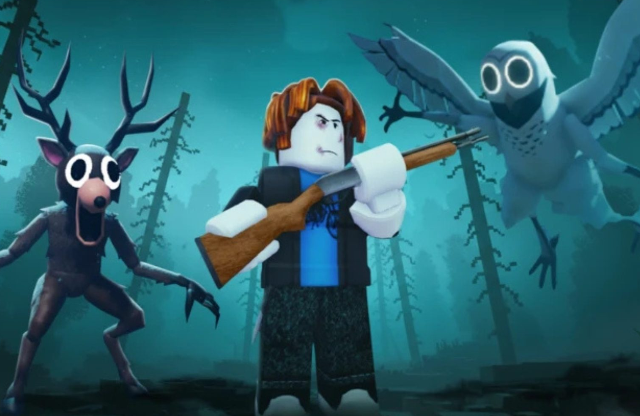
What the Modes Mean: Solo, Duo, Team
In 99 Nights in the Forest you can choose your party size:
-
Solo = just you (party size 1)
-
Duo = you + 1 other player (party size 2)
-
Team = you + 2-4 other players (party size 3-5)
According to the game’s wiki, “the larger your team, the harder the gameplay will be” because event/difficulty scaling is tied to how many join the lobby.
Also, a general guide says the game supports “parties of up to 5” players.
Playing Solo – The Ultimate Challenge
What you get:
-
Full independence: you decide the pace, explore every corner, upgrade your base, and face every threat alone.
-
Strong immersion: facing the night-time terror (wolves, cultists, monstrous entities) by yourself ramps up tension and makes every success feel earned.
-
Diamond value: since you’re alone, every upgrade, every class unlock counts for your personal progress. You don’t have to share resources or depend on teammates.
What you’ll struggle with:
-
Difficulty: as the wiki notes, “if you play solo, the game’s events will be balanced only for 1 player… if you join a group of 5… and you end up alone, you’ll be stuck with events meant to be beaten by five people.”
-
Slower gathering: resource collection, base-building and dealing with threats all take longer when you’re alone.
-
No revives from other players: in solo mode you must be very cautious, since being downed is far more costly.
When to pick Solo
-
If you’re a hardcore survival gamer who loves the tension of “just me vs the forest”.
-
If you want full control of your class/upgrade path, and don’t rely on teammates.
-
If you enjoy taking your time and mastering every mechanic.
(Read our complete solo guide)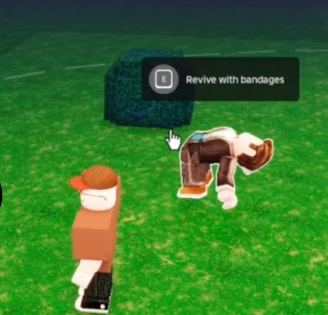
Playing Duo – Balanced Cooperation
What you get:
-
Two players means you can split roles: one farming resources, the other defending; one exploring, the other building.
-
Shared fun: having one trusted teammate makes the run less lonely, increases efficiency, and adds social camaraderie.
-
Diamond strategy: you can coordinate diamond spending (e.g., class unlocks that complement each other) and help each other build faster.
What you’ll struggle with:
-
Still limited manpower: you only have two people, so large team synergies (like in 4-5 players) won’t be available.
-
Coordination matters: you need to communicate, plan your roles, and share resource responsibilities to make it efficient.
-
Resource/loot competition: both players might want top gear or diamond-unlockable classes, so you’ll need to prioritize and sync.
When to pick Duo
-
If you have a reliable friend and prefer cooperative play without full team chaos.
-
If you want better speed than solo, but still manageable coordination.
-
If you plan to unlock classes using diamonds and want a shared strategy.
Playing in a Team (3-5 players) – Strength in Numbers
What you get:
-
High efficiency: more players = faster resource gathering, more threat management, stronger base defence and faster progression.
-
Role specialization: one player could focus on wood/fuel, another on scrap/metal, another on exploring, another on combat/defence.
-
Diamond leverage: with teams you can divide diamond use strategically (e.g., one player unlocks a support class, another unlocks heavy damage class) and ramp up your gear collectively.
What you’ll struggle with:
-
Difficulty ramps up: as the wiki states, “the larger your team, the harder the gameplay will be.”
-
Coordination overhead: more people means more voices, more planning, and potential for misalignment.
-
Resource splits: loot and reward sharing matter — if teammates mismanage diamonds/class unlocks, your run might suffer.
When to pick Team mode
-
If you have a group of friends who are committed and communicate well.
-
If you’re aiming for high-day counts, fast progression, and want the “largest challenge” mode.
-
If you plan to invest diamonds heavily and maximize returns via team synergy.
Which Mode Fits Your Playstyle?
| Player Type | Recommended Mode | Why |
|---|---|---|
| Hardcore survival & solo control | Solo | You call all shots, full immersion |
| Casual co-op & steady progress | Duo | Balanced mix of fun and challenge |
| Big group fun & fast progression | Team | Max efficiency, role play, diamond leverage |
Why Diamonds Matter — And How SSEGOLD Helps
In 99 Nights in the Forest, diamonds (or premium currency) are critical for unlocking better classes, better gear, and getting ahead in the run. For instance:
-
A class unlock might cost diamonds, which gives you unique abilities, early weapons, or perks.
-
Faster progression means more resource access, stronger base, better loot, which leads to higher day counts and survival.
-
While you can grind for free diamonds (via badge events, exploration) — e.g., one guide notes that completing a secret action earned 4 diamonds. — it takes much longer than simply purchasing at a trusted vendor.
Here's where SSEGOLD comes in:
If you want to give your run a boost, ensure you’re not stuck grinding for weeks, buy your diamonds safely via SSEGOLD. Whether you’re going Solo, Duo or Team — having the right class unlocked from the start gives you a huge advantage. Don’t fall behind because your team did and you didn’t. Invest smartly and start ahead.
Tips for Success No Matter the Mode
-
Prioritize campfire upgrades early — fire gives light, safety and unlocks more map area.
-
Manage hunger & craft meals — cooking and farming are key to survival.
-
In Duo/Team mode: assign roles. One gatherer, one defender, one explorer = better efficiency.
-
Coordinate diamond spending in teams — avoid duplication of class roles, focus on complementary strengths.
-
Always consider difficulty scaling when joining bigger teams — make sure your group is committed.
-
If soloing: be conservative. Avoid unnecessary risk. With no backup, you’ll want to maximize return on each action.
Conclusion
Mode choice in 99 Nights in the Forest isn’t just about how many friends you bring — it dictates how the game plays out, how fast you progress, how much you rely on diamonds and how you build your strategy.
-
Choose Solo for maximum challenge and complete control.
-
Choose Duo for balanced co-op and manageable teamwork.
-
Choose Team for highest efficiency and social survival fun.
Whatever you pick — remember: diamonds are your key to unlocking real potential. Get ahead by purchasing diamonds via SSEGOLD and tailor your upgrade path from day one. Good luck surviving all 99 nights — you’ll want the right mode and the right gear to make it.
Table of contents
Buy 99 Nights in the Forest Products
Recommended Article